I’m a literary scholar and emotion historian based in Denmark. My research focuses especially on the complicated emotion of ‘compassion’ in early modern literature and culture, and my monograph Shakespeare’s Compassion: Emotion and the Classics on the Early Modern Stage is currently in press with the Bloomsbury Arden Shakespeare series. Generally speaking, I am interested in investigating emotions in the past and the present from a wide range of interdisciplinary angles and I continue to be deeply fascinated by the many ways in which humans ‘feel’ the world. My other current writing project ‘Teaching Shakespeare’s Emotions’ for the Cambridge Elements series in Shakespeare and Pedagogy reflects on how to teach Shakespearean and early modern emotions by way of concepts and methodologies borrowed and adapted from the History of Emotions.
My interest in emotions also coincides with a developing interest in the interdisciplinary field of ‘Medical Humanities’. I am actively interested in collaborative research projects together with researchers from the medical and care sectors and in exchanging knowledge on how emotions might be understood at the intersection of humanities and medicine. I am currently a member of the cross-disciplinary research group ‘Anatomical Theater: Early Modern and Contemporary Dissection as Investigative Art’ based at Aarhus University, which brings together researchers from the aesthetic disciplines, medicine and medical education to formulate historical and contemporary perspectives on the medical discipline of anatomical dissection.
Additionally, I have worked on Shakespearean afterlives in global and intercultural contexts, which has resulted in a number of publications, including the co-edited collection Eating Shakespeare: Cultural Anthropophagy as Global Methodology (Bloomsbury Arden Shakespeare 2019). Reviews in Skene Journal of Theatre and Drama Studies and Theatre Journal.
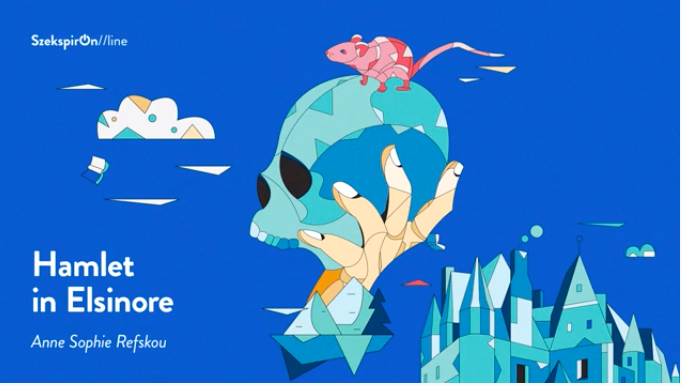
Prompted by my Scandinavian background, I’m also interested in early modern connections between Britain and Denmark and in Shakespearean afterlives in the Nordic countries. Since 2016, I have worked on the longstanding tradition of Shakespeare performances at the magnificent Kronborg Castle in Elsinore with some recent public-facing projects, including a 2019 pop-up exhibition for HamletScenen, resident theatre and international theatre festival organiser at Kronborg, and a video on ‘Hamlet in Elsinore’ for an education project by The Gdańsk Shakespeare Theatre. Even more recently, I participated in the BBC programme ‘Who Do You Think You Are’ with Dame Judi Dench, who discovered a fascinating personal connection to Kronborg Castle – watch a clip on Youtube here..
Part of what makes Kronborg’s Shakespeare tradition so special is the wide range of performances from across the globe in one location: Since the late 1930s, Hamlet and other of Shakespeare’s plays have been performed by international artists in the atmospheric surroundings of the castle, and often in the context of geo-political crisis and with more or less overt diplomatic agendas. Sharing this history with both Danish and international audiences is an ongoing pleasure. Comments from visitors at the 2019 exhibition included the following:
- ‘The history of this long-standing tradition is fascinating and educational. Many thanks.’ (visitor from the UK)
- ‘For the first-time visitor, this is a valuable retrospective about the lineage of theater at Kronborg. The diversity of both performers and production companies is a testament to the vibrancy and continued relevance of Shakespeare in the twenty-first century.’ (visitor from the US)
- ‘I was reminded of the power and ongoing relevance of Shakespeare’s works, both in the Hamlet play staged in the castle and in this display, which makes clear the importance of this play to Denmark.’ (visitor from Canada)
- Interesting history of the playing of Hamlet by every major actor in their time. Informative.’ (visitor from the US)
- ‘A visually striking and historically interesting exhibition on the various theatre performances. The political context is described in a highly interesting way. Makes a strong impression on the visitor. Thank you.’ (visitor from Germany)
- ‘A fine exhibition which documents the variations in the performance tradition and, at the same time, shows the influence of political contexts.’ (visitor from Denmark)
 Anne Sophie Refskou